Experience definition
The intended user, product behavior and commercial goal become a concise product thesis.
ODM product definition
Bring a sketch, character, reference product or feature list. We organize the experience, architecture, target-cost assumptions, risks and milestones before you commit to detailed engineering or tooling.
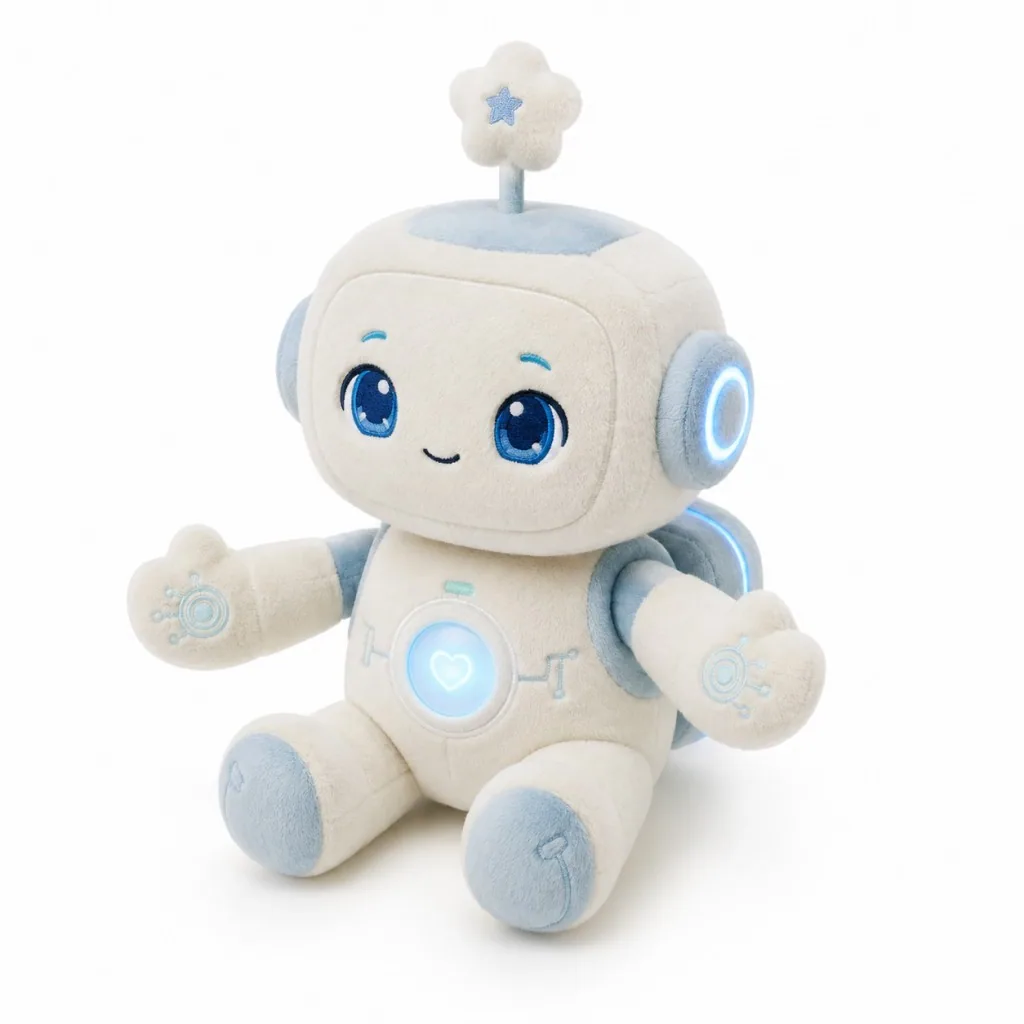
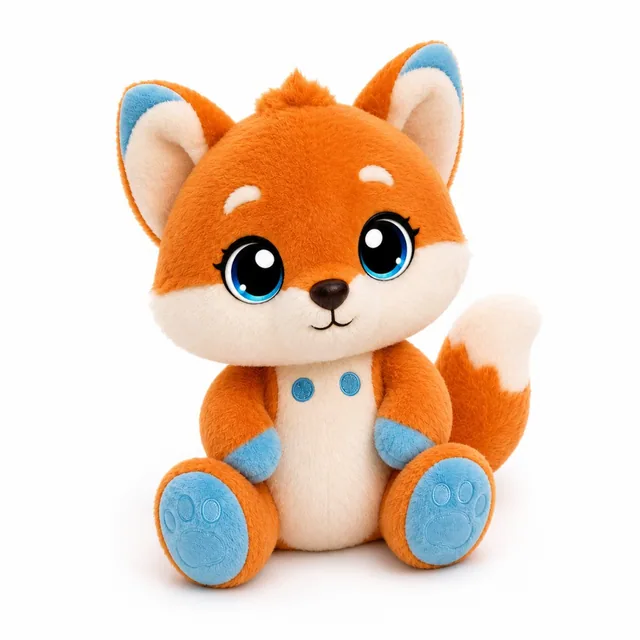
Idea + scope + risk + milestone clarity
A simpler start
A sketch, character, specification or reference product is enough for an initial feasibility review.
Clear portfolio role
Convert early product ideas into defined, feasible and production-ready toy programs before detailed category engineering begins.
This site sells development clarity rather than a broad product catalog; detailed category production content belongs to specialist sites.
What this team solves
Every capability below connects to the same brief, approvals and target launch.
The intended user, product behavior and commercial goal become a concise product thesis.
Mechanical, plush, electronics, firmware, content and packaging decisions are separated and compared.
Target cost, market, quantity, schedule and unknowns are tested against the desired experience.
Each prototype answers a named question instead of becoming an expensive visual exercise.
Tooling, testing, labels, packaging and pilot dependencies enter the roadmap early.
Versioned deliverables, ownership, approvals and production-readiness criteria prevent a vague handoff.
Buyer advantage
A useful feasibility review explains what must be true for the experience, target cost and launch plan to coexist. It narrows the product before engineering expands it.
Assess My Product IdeaApproval-led process
The next stage starts only when the current product decision is documented well enough to protect cost, quality and schedule.
Define the user, environment, product behavior, target market, quantity and launch constraint.
Resolve the product architecture and the assumptions that materially change feasibility or cost.
Test the highest-risk interaction with enough real content and materials to support a decision.
Lock the specification, acceptance criteria, production tests, packaging and ownership schedule.
Use a controlled pilot, inspection plan and versioned files to protect scale-up and delivery.
Interactive buyer tool
Set the current stage, available files, product system and highest-risk features, then add your details. Send once and we reply with the readiness score, the next proof required and the questions still open.
Set where the project stands, then add your details. One send scores the readiness and hands the assessment to our development team.
Working recommendation
One send scores this readiness and hands the assessment to our development team. It is a planning aid, not a final engineering, cost or compliance decision.
Representative project patterns
These anonymized patterns demonstrate scope and process. Customer names and measured results require publication permission before indexing.
An early character and feature list became a staged smart-product definition.
Review the decision pathDesired changes were separated into platform reuse, custom engineering and tooling.
Review the decision path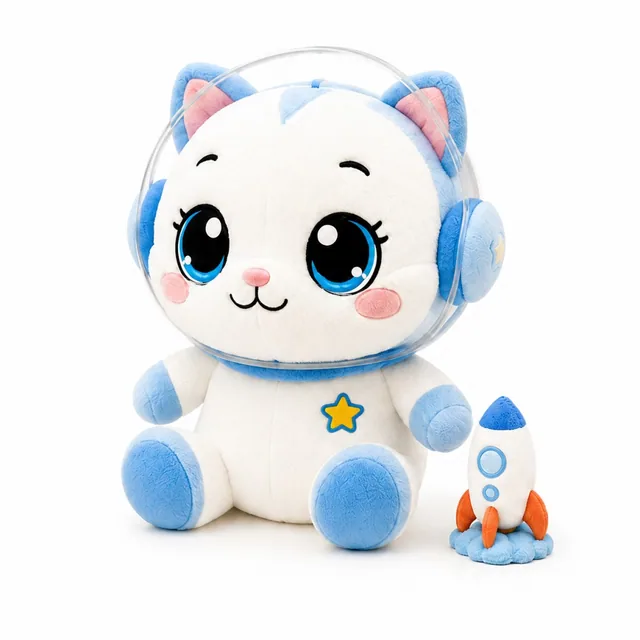
Architecture options narrowed after cost, volume and market assumptions were reviewed together.
Review the decision pathIndexability gate
Indexing requires anonymized milestone examples, risk reviews, prototype iterations and named reviewers, not generic innovation language.
Prepare a better brief
Organize the experience, user, functions and constraints.
Use this resourceChoose the route that matches the files and responsibility you already own.
Use this resourceYes. A sketch, reference, character or feature list can start an ODM definition and feasibility stage.
No. It identifies readiness, missing decisions and the next milestone needed before a reviewed quotation.
The project defines approval owners for product behavior, appearance, content, engineering, packaging and commercial scope.
Paid custom deliverables follow the signed agreement, while pre-existing platforms, methods and third-party materials remain qualified.
A standard-platform sample may take roughly 7 to 14 days after requirements and files are approved. Custom tooling, electronics, firmware or complex mechanisms receive a project-specific schedule after feasibility.
Who we build for
These teams brought us an idea and we carried it through to a production ready program.




















Common question
Bring a sketch, character, reference product or feature list, and the studio organizes the experience, architecture, target-cost assumptions, risks and milestones. That work happens before you commit to detailed engineering or tooling, so the product gets narrowed while changes are still cheap. You do not need technical files to start, since a feature list or reference is enough for an ODM definition and feasibility stage.